Patching a Cracked Heat Exchanger vs. Full Furnace Replacement: Weighing the Safety Risks
The Dangerous Myth of the Quick Furnace Fix
A common misconception is that a quick weld can save an aging heating system, but if you are stuck evaluating patching a cracked heat exchanger vs. full furnace replacement: weighing the safety risks is the only way to make a responsible choice. At Daniels Heating And Air Conditioning, a pattern we see often during our late fall HVAC inspections is the immediate sinking feeling homeowners experience when we discover a cracked heat exchanger. Just as you are finalizing your November pre-winter preparation, you are suddenly faced with a major mechanical failure.
Many homeowners assume that metal is just metal, and a simple patch or weld should be enough to get the furnace through one more winter. Unfortunately, this dangerous myth ignores the intense physical stress your heating system endures every single day. In our experience, the decision you make right now is not just about extending the life of an appliance; it is a critical choice between a temporary, high-risk band-aid and the absolute reliability of a new system. To help you navigate this situation, we need to look closely at the mechanical realities and the severe hazards involved.
For more information on how our team handles these critical situations, explore our professional HVAC services.
The Mechanical Reality: What Happens When a Heat Exchanger Cracks?
The underlying problem: To understand why patches fail, you must first understand the intense environment inside your furnace. The heat exchanger is the most vital component of your heating system. Its primary job is to act as a secure, airtight barrier that separates the toxic combustion process from the clean breathing air circulating through your home. Burners ignite gas inside this metal chamber, creating intense heat alongside hazardous byproducts. Your blower motor then pushes indoor air over the outside of the hot metal chamber, warming the air before distributing it through your vents. The toxic gases remain safely inside the chamber and are vented out of your roof.
The structural cause: This process requires the metal to endure extreme temperature fluctuations. Every time your thermostat calls for heat, the metal rapidly heats up and expands. Once the target temperature is reached and the burners shut off, the metal cools and contracts. Over our years of operation providing heating solutions across Goldsboro, Mt. Olive, and surrounding communities, our technicians have seen firsthand how this constant expansion and contraction causes metal fatigue. Just like bending a paperclip back and forth until it snaps, the repetitive thermal stress eventually creates microscopic fractures that grow into visible cracks.
The immediate solution: Once a crack forms, the structural baseline of the component is permanently compromised. Because the blower motor creates positive pressure outside the heat exchanger, air can be forced inside the chamber, disrupting the burner flame. Worse, when the system shuts down and pressure shifts, the toxic combustion gases can seep out into your breathing air. If you want to learn more about identifying early warning signs before a total failure occurs, reviewing a guide on troubleshooting common HVAC emergencies can be highly beneficial.
The Physics of Thermal Stress
The physics of heating metal dictate exactly why aging furnaces eventually fail. Here is what happens on a molecular level:
• Constant expansion: Metal naturally expands when heated and contracts when cooled. This movement is unavoidable in any combustion heating system.
• Material fatigue: Years of repetitive cycling slowly weaken the structural integrity of the heat exchanger walls, particularly at the curves and seams.
• Permanent failure: Once a crack forms, the structural baseline is gone. The metal has lost its original tensile strength, making the surrounding area far more susceptible to further fracturing.
Why Patching a Heat Exchanger is a Dangerous Gamble
Attempting to weld or patch a cracked heat exchanger is a gamble that puts your entire household at risk. The fundamental issue lies in the differing expansion rates of the materials. When a technician applies a rigid weld or a metal patch over a crack, that new material does not expand and contract at the exact same rate as the surrounding, fatigued original metal. As the furnace cycles on and off, the patched area pulls and pushes against the weakened original metal. In almost every case we have encountered, this causes the original metal to crack again, often right next to the new weld, within a matter of weeks or even days.
The Short-Cycling Problem in North Carolina Winters
The climate in our region accelerates this failure process. As local HVAC professionals, we know that Goldsboro's sudden winter cold snaps force compromised furnaces to run continuously, putting maximum thermal stress on a patched heat exchanger right when residents are sleeping. During late fall and early winter, temperatures can fluctuate wildly. Mild afternoons followed by freezing nights cause furnaces to short-cycle—turning on and off rapidly to keep up with the shifting demand.
This rapid cycling maximizes the thermal expansion and contraction, aggressively testing the physical limits of any temporary weld. Because the system is working its hardest during the coldest nights, that is exactly when a patch is most likely to fail, leaving your family without heat and potentially exposed to hazardous gases. For homeowners exploring reliable solutions, our heating services in Goldsboro focus on long-term safety rather than quick fixes.
Comparing the Outcomes: Patching vs. Replacement
• Structural Integrity — Temporary Patch / Weld: Compromised; differing expansion rates cause immediate re-cracking. — Full Furnace Replacement: Flawless; factory-tested metal designed to withstand decades of thermal stress.
• Safety Risk — Temporary Patch / Weld: High risk of carbon monoxide leaks returning without warning. — Full Furnace Replacement: Zero risk of existing fatigue; fully sealed combustion process.
• Projected Lifespan — Temporary Patch / Weld: Unpredictable. Could fail in a week, a month, or mid-winter. — Full Furnace Replacement: 15 to 20 years with proper routine maintenance.
• Efficiency — Temporary Patch / Weld: Retains the poor efficiency of an aging, failing system. — Full Furnace Replacement: High-efficiency operation that lowers monthly utility burdens.

Carbon Monoxide: The Unseen Danger of Compromised Furnaces
The conversation about a cracked heat exchanger must always elevate from a mechanical inconvenience to a critical life-safety issue. According to data from the Centers for Disease Control and Prevention (CDC), carbon monoxide (CO) is a leading cause of accidental poisoning deaths in the United States. CO is an odorless, colorless, and tasteless gas produced by the incomplete combustion of fossil fuels. You cannot see it, you cannot smell it, and without a working detector, you will not know it is filling your home.
When a heat exchanger cracks, it creates a direct pathway for combustion gases, including carbon monoxide, to mix with the clean air being circulated through your ductwork. As you continue your November pre-winter preparation, recognizing the early warning signs of CO exposure is vital. Homeowners must not ignore these subtle symptoms:
• Physical symptoms: Unexplained headaches, dizziness, weakness, upset stomach, vomiting, chest pain, and confusion.
• Pattern recognition: Symptoms that mysteriously improve when you leave the house and return when you go back inside.
• Pet behavior: Pets acting unusually lethargic or sick, as they are often affected by CO poisoning before humans.
• Visual clues: A yellow or flickering burner flame instead of a steady blue flame, or excess soot around the furnace cabinet.
Our Uncompromising Stance on Homeowner Safety
Because the risks are so severe, our team at Daniels Heating And Air Conditioning draws a hard line against risking CO exposure with temporary fixes. Honest diagnostics mean telling the hard truth about safety risks, even when it is not the news a homeowner wants to hear. Refusing to perform dangerous band-aid fixes protects families from catastrophic failures in the middle of the night. Safety always supersedes temporary convenience, and our reputable technicians will never recommend or perform a weld on a component that requires structural perfection to keep your family breathing safely.
The Financial Reality: False Economy vs. Long-Term Value
The false economy of repairs: In our extensive experience serving local homeowners, it is natural to want to save money by opting for a repair over a replacement, but patching a heat exchanger is the definition of a false economy. Because patches are structurally doomed to fail due to thermal expansion, paying for a weld is simply throwing money at a temporary delay. Within a short period, the patch will break, the furnace will be red-tagged for safety, and you will be forced to pay for a full replacement anyway. You end up paying for both the failed repair and the new system, rather than investing that initial repair money straight into a permanent solution.
The efficiency advantage: Beyond the sunk cost of a failed patch, aging furnaces with failing heat exchangers are typically highly inefficient. They consume excess fuel to produce heat, driving up your utility bills every month. Upgrading to a modern furnace provides significant energy efficiency gains. Newer systems utilize advanced blower motors and highly efficient burner designs that extract more heat from less fuel, directly lowering your monthly utility burdens across Goldsboro, Mt. Olive, and the surrounding areas.
Leveraging Efficiency Upgrades
Making the leap to a new system often comes with financial silver linings that help offset the initial investment. Consider these long-term financial benefits:
• Reduced energy consumption: Modern systems utilize less energy to produce the same amount of heat, keeping bills manageable during freezing weather.
• Incentive programs: Generic federal tax credits or local utility incentive programs may apply to qualifying high-efficiency heating installations. Always check with your utility provider or tax professional to see what current programs can make upgrading more accessible.
• Warranty protection: A new manufacturer warranty eliminates future repair anxieties, ensuring that if a component fails, you are not paying out of pocket for parts.
To explore reliable options that prioritize both safety and efficiency, review our furnace replacement and heating solutions.
Making the Safe Call: Securing Peace of Mind for the Holidays
When facing a major HVAC decision, our technicians generally advise weighing the cost of the repair against the age of the system. However, a cracked heat exchanger almost always tips the scale directly to replacement due to the severe safety implications. You cannot put a price tag on waking up safely every morning.
Before the peak holiday season heating demands begin, take action in November. The last thing you want is a catastrophic furnace failure when you are hosting family or when the temperatures drop into the freezing zone. Use this checklist to guide your final decision:
• Check the system age: If your furnace is over 10 to 15 years old, it has reached the end of its designed lifespan. Investing in a major repair on a system this old is financially unwise.
• Verify warranty status: Check if your current unit is still under a manufacturer parts warranty. While labor is rarely covered, a valid warranty on a relatively young system might change the math—though the heat exchanger itself must still be fully replaced, not patched.
• Evaluate the safety risk: Acknowledge that any crack, no matter how small, is an active carbon monoxide risk. Do not compromise on indoor air quality and family safety.
• Plan for routine care: Once a new system is installed, protect it. Keeping up with routine heating maintenance ensures the new heat exchanger remains clean, efficient, and structurally sound for decades.
A new, safely installed furnace provides uninterrupted comfort and absolute peace of mind, letting you focus on enjoying the winter season rather than worrying about your heating equipment.
Frequently Asked Questions About Heat Exchanger Safety
Why is a cracked heat exchanger a carbon monoxide risk?
A cracked heat exchanger breaks the airtight seal between the toxic combustion process and your home's breathing air. When the blower motor turns on, pressure changes can pull deadly carbon monoxide out of the combustion chamber and push it directly through your air vents. Because carbon monoxide is odorless and colorless, this leak can quickly fill your home with hazardous gas without any obvious warning signs.
Can a cracked heat exchanger be patched or welded?
No, patching or welding a cracked heat exchanger is highly unsafe and strongly discouraged by industry professionals. The extreme thermal expansion and contraction that occurs during normal heating cycles will quickly cause the rigid weld or the weakened original metal to crack again. A patch is only a temporary band-aid that leaves your home vulnerable to sudden carbon monoxide exposure.
What are the safety risks of a cracked heat exchanger?
The primary safety risk is carbon monoxide poisoning, which can lead to severe illness or death. Additionally, a cracked heat exchanger can disrupt the burner flame, creating a fire hazard or causing the furnace to produce excess soot and rollout flames. Operating a furnace in this condition compromises the entire structural safety of the appliance.
How do you know if your heat exchanger is cracked?
The most reliable way to identify a cracked heat exchanger is through a professional inspection using specialized cameras or combustion analysis tools. However, homeowners might notice early warning signs such as a yellow or dancing burner flame, soot buildup around the furnace, strange odors, or their carbon monoxide detector sounding an alarm.
Does a cracked heat exchanger mean I need a whole new furnace?
In the vast majority of cases, yes. While the heat exchanger itself can sometimes be replaced if the unit is very young and under warranty, the labor costs are extensive. For furnaces older than 10 years, replacing the entire system is the most financially sound and structurally safe choice, ensuring you benefit from modern efficiency and a new warranty.
Prioritize Your Family's Safety This Winter
The final verdict is clear: When it comes to carbon monoxide risks and failing heating equipment, there is absolutely no room for compromise or temporary patches. The mechanical realities of thermal stress guarantee that a welded heat exchanger will fail again, likely during the coldest nights of the year. Do not gamble with your household's safety by attempting to squeeze one more season out of a fundamentally broken appliance.
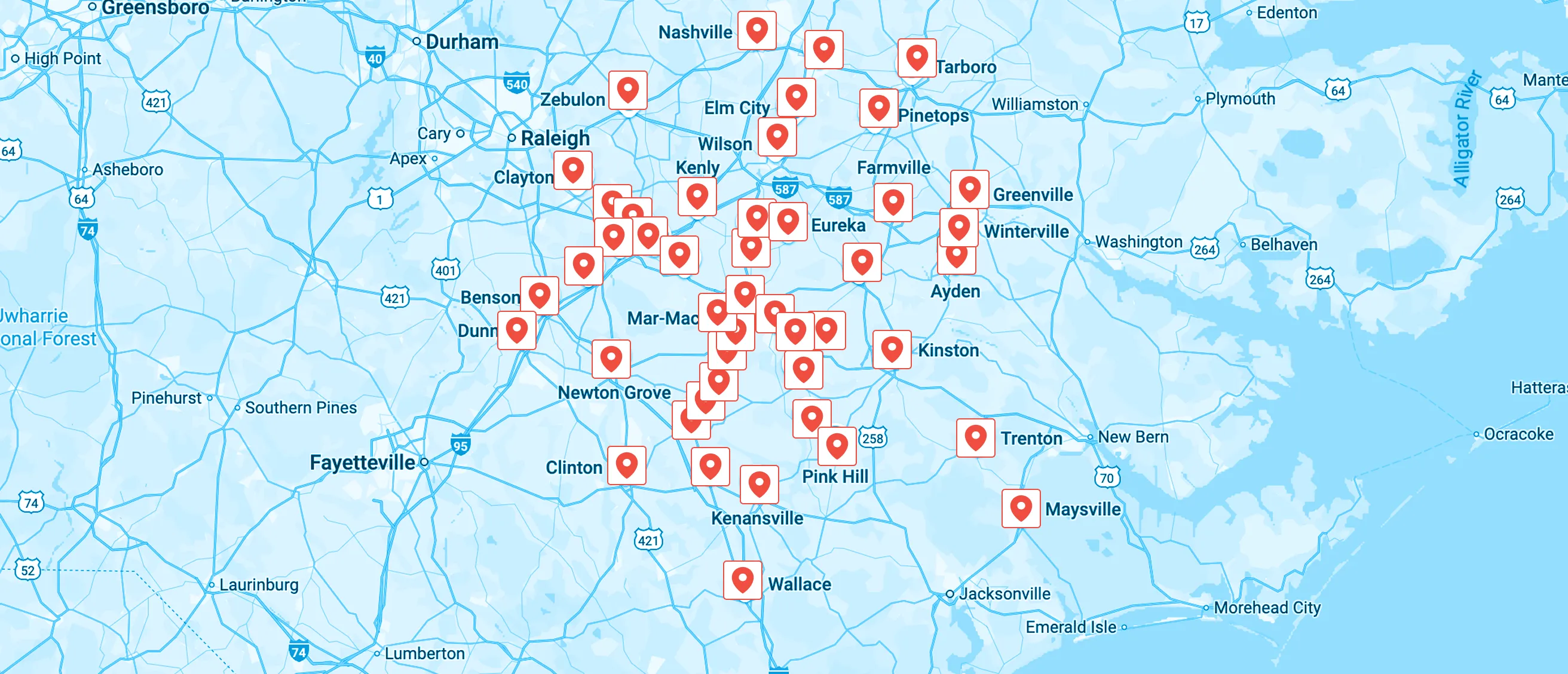
We encourage homeowners in Goldsboro, Pikeville, Dudley, Princeton, and Newton Grove to seek a definitive, safety-first verdict. If you suspect your furnace is compromised, or if you have been told you need a heat exchanger repair, do not wait for the winter freeze to set in. Schedule a professional consultation with Daniels Heating And Air Conditioning today to explore reliable, high-efficiency furnace replacement options that will keep your home warm, secure, and completely safe all season long.

hear what our satisfied
clients have to say


Service areas